
partnerships

Content tagged with "partnerships"

Related Topics
Displaying 11 - 20 of 362

Loveland’s Municipal Network is Scrappy and Driven to Serve its Community - Episode 566 of the Community Broadband Bits Podcast
This week on the podcast, Christopher speaks with Brieana Reed-Harmel, Municipal Fiber Manager for the City of Loveland, located in Colorado’s Northern Front Range about an hour north of Denver. The city is home to over 80,000 residents as well as a municipal fiber broadband network called Pulse.

Chris and Brieana discuss Loveland’s population expansion over the past few years and Pulse’s resulting plans to extend beyond city limits into the “urban fringe,” which is more difficult to receive grant funding to serve. Brieana shares the ways in which the municipal network has leveraged its relationships, having partnered with its local school district to connect unserved areas during the pandemic, and currently in conversation with the county, which will help Loveland with the matching funds it needs for upcoming grant expansions. Brieana speaks to the challenges of building out the network through inflation and the pandemic. She stresses the importance of having a solid business model and great project management, as well as the scrappiness and ongoing investment needed to ensure a municipal network is sustainable and can bring residents quality connectivity at the best value. 

This show is 25 minutes long and can be played on this page or via Apple Podcasts or the tool of your choice using this feed

Transcript below.

We want your feedback and suggestions for the show-please e-mail us or leave a comment below.

Listen to other episodes here or view all episodes in our index. See other podcasts from the Institute for Local Self-Reliance here.

Thanks to Arne Huseby for the music. The song is Warm Duck Shuffle and is licensed under a Creative Commons Attribution (3.0) license.
Wolves in Sheep's Clothing, Trojan Horse Networks, and Flowering BUDs - Episode 561 of the Community Broadband Bits Podcast

This week on the podcast, Christopher is joined by Associate Director for Communications Sean Gonsalves to check in on the move towards a citywide open access fiber-to-the-home (ftth) network in Bountiful, Utah, an expanding institutional network in Fairhaven, Massachusetts, and widespread support among small Maine towns that public dollars should go to publicly owned networks.

Along the way, they chat about the astroturf misinformation campaign being run by the Utah Taxpayer's Association, how a city negotiated a capital fee it's using to build its own network and get out from under Comcast's thumb, and the growing momentum behind Maine's Broadband Utility Districts (BUD) and their quest to improve competition and Internet access for residents.

This show is 38 minutes long and can be played on this page or via Apple Podcasts or the tool of your choice using this feed

Transcript below.

We want your feedback and suggestions for the show-please e-mail us or leave a comment below.

Listen to other episodes here or view all episodes in our index. See other podcasts from the Institute for Local Self-Reliance here.

Thanks to Arne Huseby for the music. The song is Warm Duck Shuffle and is licensed under a Creative Commons Attribution (3.0) license.
 

Christopher Mitchell's Ask Me Anything - Episode 533 of the Community Broadband Bits Podcast

This week on the podcast, Christopher Mitchell join's Drew Clark on Broadband.Money's Ask Me Anything series, and in true fashion, he never ducks the hard questions. With audience questions, Drew and Christopher cover wide ground, including why the national broadband marketplace needs publicly owned infrastructure options, the benefits of open access models, how cities can prepare for BEAD and other federal funding, and other steps communities can take to make sure that when they do work with third-party ISPs that they maintain some measure of control (like performance-based contracts).

This show is 53 minutes long and can be played on this page or via Apple Podcasts or the tool of your choice using this feed

Transcript below. 

We want your feedback and suggestions for the show-please e-mail us or leave a comment below.

Listen to other episodes here or view all episodes in our index. See other podcasts from the Institute for Local Self-Reliance here.

Thanks to Arne Huseby for the music. The song is Warm Duck Shuffle and is licensed under a Creative Commons Attribution (3.0) license.
The Straight Talk About Rural Fiber Deployments - Episode 517 of the Community Broadband Bits Podcast

This week on the podcast, Christopher is joined by Joseph Franell, President of Blue Mountain Networks (which serves more than 30 rural communities west of Portland) in Oregon. Joe joined the team at Ashland Fiber Network (AFN) before moving on to do work in rural parts of the state. During the conversation, Christopher and Joe talk about building fiber in some of the least-dense parts of the state. They discuss the importance of creativity and a willingness to pursue a variety of partnership models, the critical role that local broadband champions play in convincing Internet Service Providers (ISPs) to come to rural areas, and how dramatically different a provider looks when it's driven by principles and a commitment to the community that goes beyond a lightning-fast return-on-investment.

They dive into the specter of private equity, which has shown increasing interest in broadband infrastructure and the grassroots work done by broadband action teams over the last couple of years.

This show is 45 minutes long and can be played on this page or via Apple Podcasts or the tool of your choice using this feed

Transcript below. 

We want your feedback and suggestions for the show-please e-mail us or leave a comment below.

Listen to other episodes here or view all episodes in our index. See other podcasts from the Institute for Local Self-Reliance here.

Thanks to Arne Huseby for the music. The song is Warm Duck Shuffle and is licensed under a Creative Commons Attribution (3.0) license.

Rural Southeast Alaskan Tribes Leverage Spectrum for a Pilot Connecting Hard-to-Reach Communities

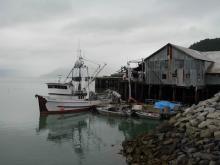
The Tlingit and Haida Tribes will leverage $15 million in Rescue Plan funding to bring LTE-based 100 Mbps symmetrical wireless connectivity to 10,000 unserved residents in and around the city of Wrangell, located on Wrangell Island in southeast Alaska. The Internet Service Provider in charge of the buildout is the newly-launched, tribally-owned ISP Tidal Networks. The project is a pilot the tribes plan to expand to all residents of the island, and eventually to other communities in the region.  

The pilot is made possible by Tlingit and Haida’s successful participation in the FCC’s Rural Tribal Priority Window, which allowed tribes to claim space on the 2.5 gigahertz spectrum band. Back in 2019, Tlingit and Haida partnered with southeast Alaska village tribes to gain access to the spectrum, and worked throughout 2021 to “discuss [Tlingit and Haida’s] broadband initiative and opportunities to partner for the broadband project.” 

Utilizing Spectrum to Make Connectivity Feasible

Duluth, Minnesota Ponders A Major Bet On Open Access Fiber

Like countless U.S. communities, Duluth, Minnesota (pop. 86,000) got a crash course on the importance of affordable broadband during the Covid-19 crisis. Those struggles in telecommuting and home education helped fuel a dramatic new broadband expansion plan that, if approved by the city council, could revolutionize affordable access citywide.

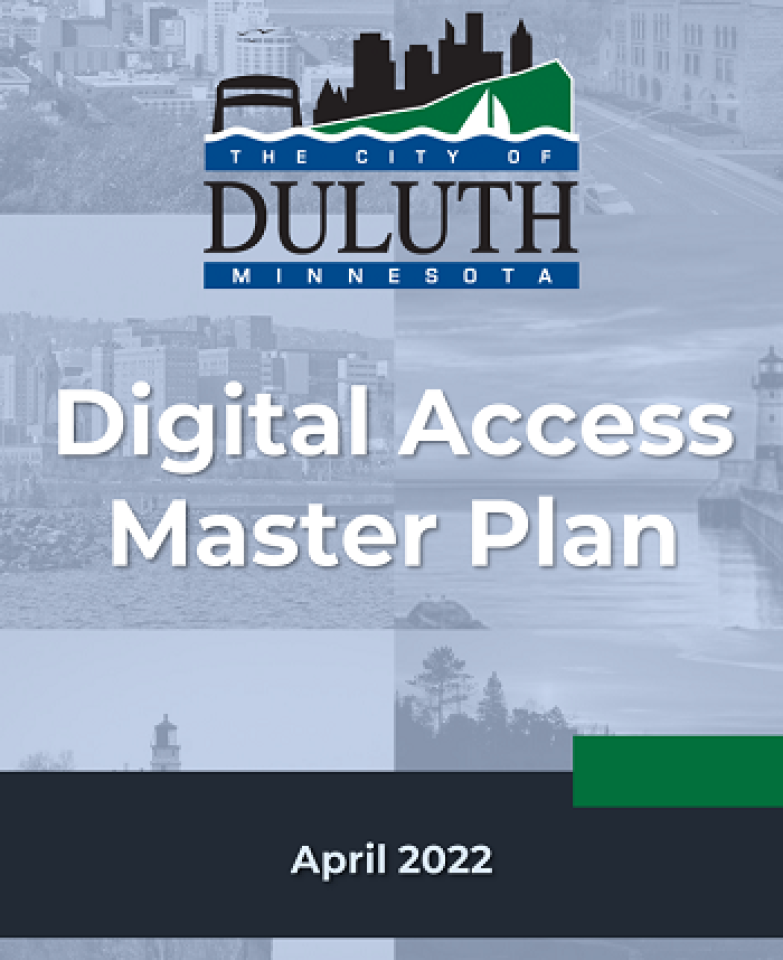
Last April, the Duluth Economic Development Authority signed a $65,000 contract with Entrypoint LLC to examine the possibility of building a community-owned fiber network in Duluth. The result: a new Digital Access Master Plan that proposes the city spend $7-9 million to build a pilot open access fiber network in Lincoln Park next year. 

“Reliable high-speed internet is no longer a luxury,” Duluth Mayor Emily Larson proclaimed in a recent state of the city address. “It’s an essential utility no less important to our future success than our roads, water, and electricity.”

A Pilot Project, and Potentially More

Image

Under the proposal, 75 percent of the new network would be buried fiber and 25 percent would be microtrenched along public roads. The $7 to $9 million estimated price tag is based on a 60% take rate, short-term interest at 5 percent, and a long-term interest rate of 3 percent for 20 years. The initial pilot project would bring fiber to an estimated 1,900 Duluth residents next year. 

“A 60% take-rate may seem aggressive given the strong market position of the incumbent cable operator,” the plan states. “However, the survey data suggests a strong desire among residents and businesses in Duluth to see competition, choice, better pricing, and the reliability of a fiber optic network.”

Duluth, Minnesota Ponders A Major Bet On Open Access Fiber

Like countless U.S. communities, Duluth, Minnesota (pop. 86,000) got a crash course on the importance of affordable broadband during the Covid-19 crisis. Those struggles in telecommuting and home education helped fuel a dramatic new broadband expansion plan that, if approved by the city council, could revolutionize affordable access citywide.

Last April, the Duluth Economic Development Authority signed a $65,000 contract with Entrypoint LLC to examine the possibility of building a community-owned fiber network in Duluth. The result: a new Digital Access Master Plan that proposes the city spend $7-9 million to build a pilot open access fiber network in Lincoln Park next year. 

“Reliable high-speed internet is no longer a luxury,” Duluth Mayor Emily Larson proclaimed in a recent state of the city address. “It’s an essential utility no less important to our future success than our roads, water, and electricity.”

A Pilot Project and Potentially More

Under the proposal, 75 percent of the new network would be buried fiber and 25 percent would be microtrenched along public roads. The $7 to $9 million estimated price tag is based on a 60% take rate, short-term interest at 5 percent, and a long-term interest rate of 3 percent for 20 years. The initial pilot project would bring fiber to an estimated 1,900 Duluth residents next year.

“A 60% take-rate may seem aggressive given the strong market position of the incumbent cable operator,” the plan states. “However, the survey data suggests a strong desire among residents and businesses in Duluth to see competition, choice, better pricing, and the reliability of a fiber optic network.”

Lancaster County, Nebraska Looking to Build Conduit Network to Rural Areas

About ten years ago, the city of Lincoln, Nebraska (pop. 285,000) began construction on a publicly owned conduit system it would eventually lease to Internet Service Provider (ISP) ALLO Communications to enable better Internet service options to residents. That project entered its final phase in the last two years, but local officials aren’t content to stop there.

Last fall, Lancaster County (pop. 316,000), of which Lincoln is the county seat, embarked on a new conduit system to multiply its success into the future. The expansion will build upon Lincoln’s network to initiate construction into the rural parts of the county and facilitate new connectivity options to three new cities, ten villages, two census-designated places, and nine unincorporated communities.

Image

Not Content to Sit Still

Lancaster County is situated in the southeastern corner of the state, and the second-most populous one in Nebraska.

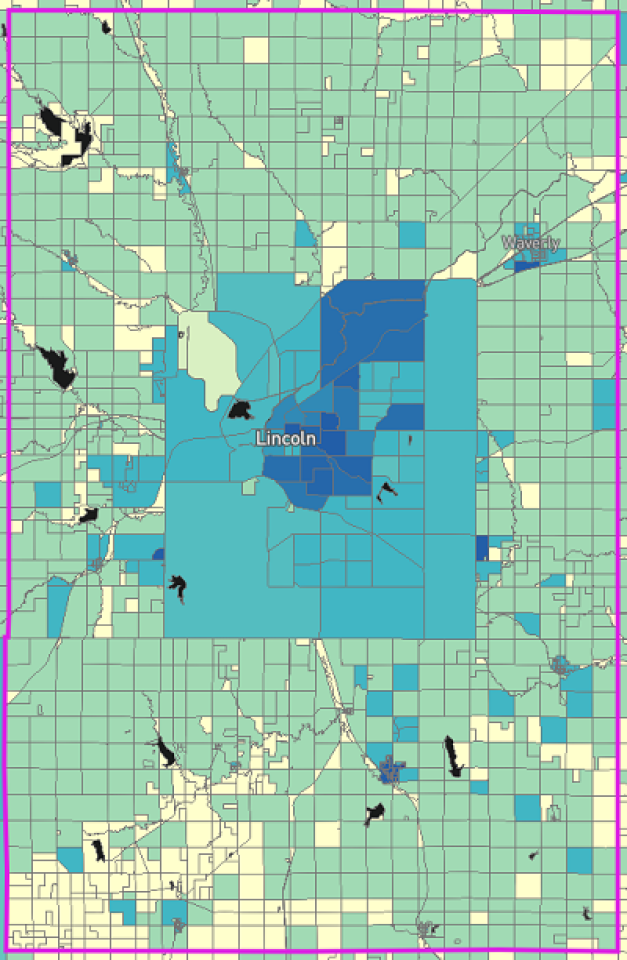
Fixed broadband coverage, seen in the FCC Form 477 map below, shows the reality locals are contending with; good coverage in the city proper, but few options once you move into the countryside.

Lakeland Public-Private Broadband Project Faces Delays, Frustration

In the summer of 2021, Lakeland city commissioners voted 5-to-1 to strike a private-public partnership (P3) with Summit Broadband, part of a 10 year plan to expand broadband availability within city limits. But officials in this central Florida city of 112,000 have expressed growing consternation that the planned broadband expansion is behind schedule and more selective than expected. 

“I think this is the right move for the City of Lakeland as it will accomplish what was my goal: to make it a smart city without the burden of bonding out our debt,” Lakeland Commissioner Bill Read said shortly after the project was announced. “The private sector can do a job much better than any public entity, better than our city.”

A year later and several city leaders don’t seem entirely sure. 

Local news outlet LkldNow indicated last month that most Lakeland residents have yet to see service, and that Summit appears to have shifted its deployment priorities away from uniform house-by-house coverage, and toward select businesses and housing development developments.

Lakeland Mayor Bill Mutz said of the revelations:  

I am not satisfied with the speed with which Summit is rolling out service to consumers in Lakeland and concerned that they may have de-emphasized that express concurrent desire of the commission. Whereas it has been our goal to provide commercial business with improved Internet service, the consumer emphasis was originally and consistently one of our highest expressed priorities and motivations.

City Officials Question Partners’ Apparent Shift in Strategy

Under the city’s 10 year agreement with Summit, the provider pledged to spend $20 million over the next five years expanding the city’s existing 350-mile dark fiber network. Under the deal, Summit will pay the city $144,000 per year initially, ultimately switching to paying the city 10 percent of gross revenue on Internet services.

A Plan for Middle and Last-Mile Comes Together in York County

For the past two years, York County, Pennsylvania (est. pop. 459,000) has been working hard on a multi-part plan to connect both rural and urban areas.  

York began laying out plans for a county-owned middle-mile network in 2020. The idea was to make last-mile hookups viable for private providers in more areas of the county, and to close its major connectivity gaps.

Along with these plans, York launched a middle-mile pilot project along a 16-mile stretch of the York Heritage Rail Trail, which runs from the York metropolitan area in the center of the county down to Pennsylvania’s southern border. The project leveraged $1.5 million in CARES Act funding and a length of conduit that had been lying underneath the rail trail for two decades. The fiber that was deployed currently provides middle-mile capacity throughout the south central part of the county, as well as some wireless coverage from a tower at the stretch’s midpoint in Hanover Junction.

Building Beyond the Pilot

In early 2021, it was left to the YoCo Fiber Broadband Task Force, “led by the York County Economic Alliance and composed of representatives from business, government, health care, education, and other sectors,” to recommend to the county a way to “develop and implement a countywide broadband strategy.”

In July of that year, the Board of Commissioners voted unanimously to spend as much as $25 million of its American Rescue Plan money, under the guidance of the task force. The first $20 million was dedicated to building out the first half of an underground middle-mile network throughout southern York County, which was designed to “connect anchor institutions and build redundancy.”