
Broadband Communities Names Its 2026 Provider of the Year Shortlist — and It's Not the Usual Suspects
As states across the nation are poised to begin awarding BEAD grants as part of the single-largest federal investment in U.S. history to build new high-speed Internet networks, a sizable share of the funding is going to the big cable and telecom giants, with hundreds of millions in subsidies slated for Starlink and Amazon Leo.
Yet, eight community and independently-owned networks are in the running for this year’s Broadband Provider of the Year Award – a reminder that bigger does not always mean better and BEAD isn’t the only way to solve the digital divide in local communities.
“From municipal pioneers to digital equity champions and rapidly scaling fiber builders, the 2026 shortlist for the Broadband Communities Broadband Provider of the Year represents the best in high-speed connectivity, customer-first service, and network innovation,” Broadband Communities, one of the nation’s leading digital and broadband technology publications, announced in the run-up to its Broadband Communities Summit 2026.
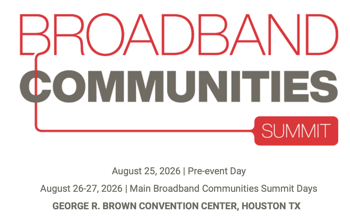
The winners will be revealed live during a special awards ceremony at the end of Day 1 at this year’s summit, which will be held on August 26 at the George R. Brown Convention Center in Houston, Texas.
And Nominees Are…
The shortlist of standouts competing for top honors this year are the following: