
Report Dives Deep Into Big Cable and Telecom Monopolies

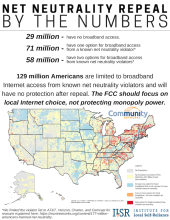
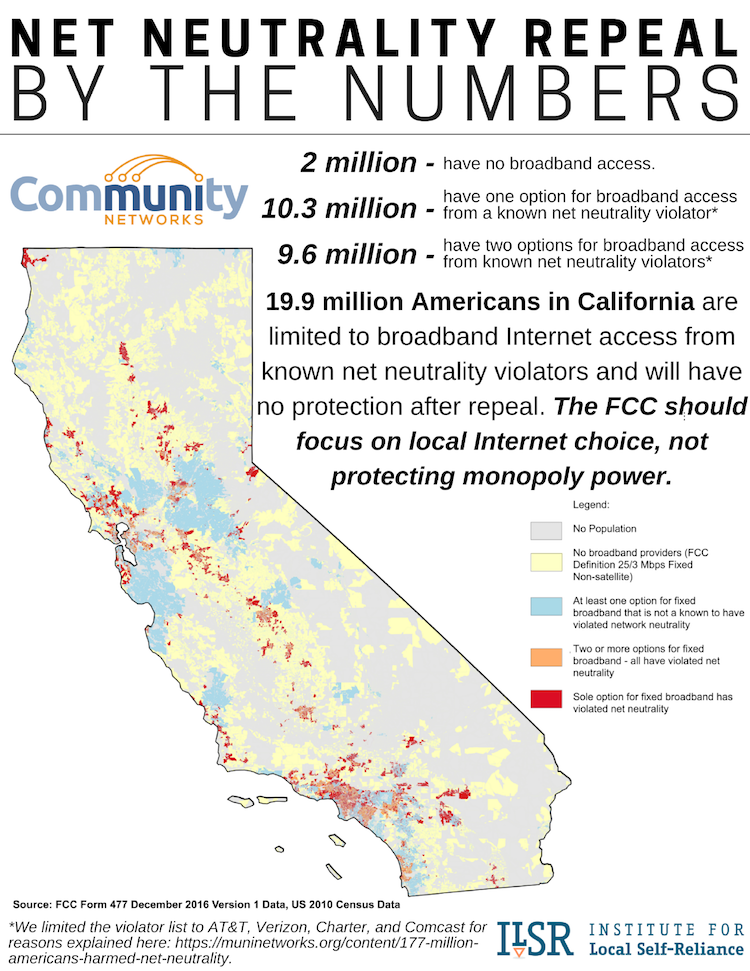
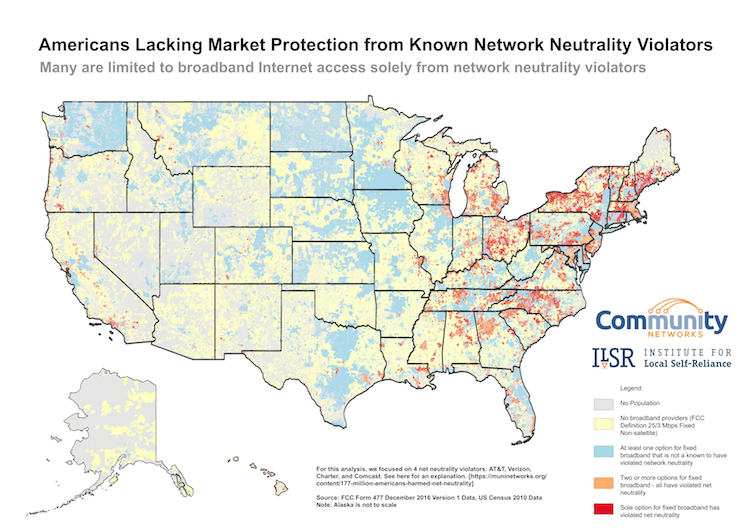
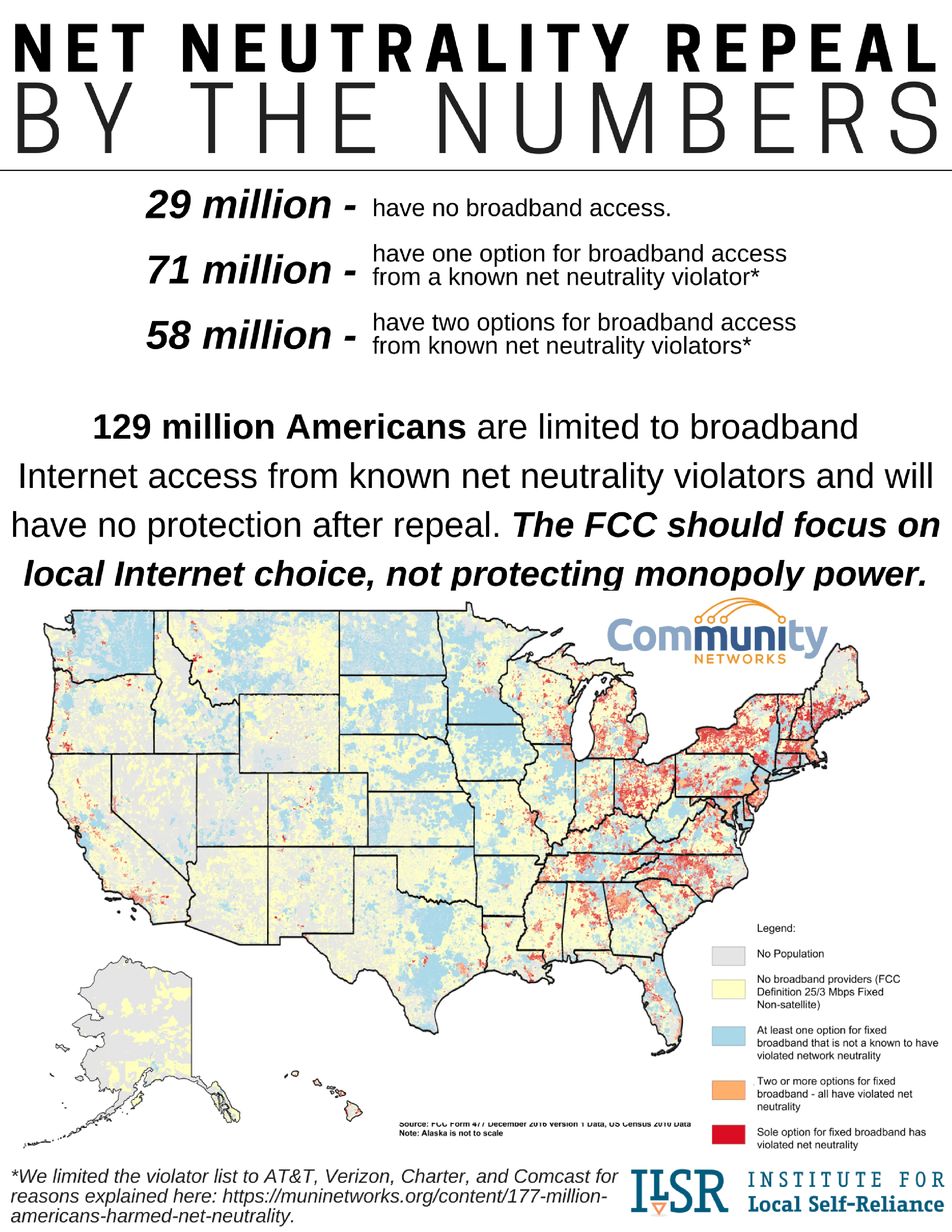
For years, national cable and telecom companies have complained that they work in a tough industry because “there’s too much broadband competition.” Such a subjective statement has created confusion among subscribers, policy makers, and elected officials. Many people, especially those in rural areas, have little or no choice. We wanted to dive deeper into the realities of their claim, so we decided to look at the data and map out what the large carriers offer and where they offer it. In order to share our findings with policy makers, local elected officials, and the general public, we’ve created a report that includes series of maps to illustrate our findings and our analysis, Profiles of Monopoly: Big Cable and Telecom.
Choice: The Ultimate Prize
Whether it’s a brand of breakfast cereal, a model of car, or an Internet Service Provider (ISP), those who purchase a good or service know that when they have more options, the options they have are better. The FCC defines "broadband" as connectivity that provides speeds of at least 25 Megabits per second (Mbps) download and 3 Mbps upload; our report fouces on service where ISPs claim to offer this minimum threshold.
When it comes to ISPs, subscribers often have a faux choice between unequal services, such as one telephone company offering slow DSL and one cable company that offers faster cable Internet access. People in rural America often have even slimmer options because cable ISPs don’t provide broadband in less populated rural areas. In other words, the market has spoken and the market is broken.